

oval led mirror
Steel Bar Caps in Building Construction Importance and Applications In the realm of building construction, the durability and strength of materials are of paramount importance. Steel bars, or rebars, are widely used to reinforce concrete structures, providing the necessary tensile strength to withstand various loads. However, the installation and performance of these steel bars can be significantly affected by environmental factors and the methods used during construction. This is where the concept of steel bar caps comes into play. Understanding Steel Bar Caps Steel bar caps, also known as rebar caps or rebar protectors, are protective devices designed to cover the exposed ends of steel rebar. These caps are typically made from durable materials such as plastic or metal and can come in a variety of shapes and sizes. The primary purpose of steel bar caps is to prevent injuries on construction sites, particularly from accidental contact with sharp or protruding rebar ends that can pose a safety hazard to workers. Safety Considerations in Construction Construction sites are inherently hazardous environments, and preventing workplace injuries is crucial for maintaining a safe work environment. The Occupational Safety and Health Administration (OSHA) has specific regulations regarding the handling of rebar, emphasizing the need for safety measures to protect workers. Unprotected rebars can lead to serious injuries, including puncture wounds or lacerations. By using steel bar caps, construction companies can significantly reduce these risks and improve overall site safety. Benefits of Using Steel Bar Caps 1. Injury Prevention The primary benefit of steel bar caps is the protection they provide against injuries. By covering sharp edges, these caps help prevent accidents that can lead to severe injuries or even fatalities on construction sites. steel bar cap in building construction 2. Cost-Effectiveness While there may be an upfront cost associated with purchasing rebar caps, the long-term benefits outweigh this initial investment . Reducing the number of injuries not only saves on medical costs but can also prevent potential project delays and liability claims. 3. Ease of Use Steel bar caps are designed for easy installation and removal. This ease of use ensures that workers can quickly apply these caps during the construction process without significantly slowing down operations. 4. Versatility Steel bar caps are available in various sizes and designs, making them suitable for different types of projects and applications. Whether used in residential buildings, commercial complexes, or infrastructure projects, there is a cap tailored to the specific needs of each construction site. Applications in Building Construction The application of steel bar caps is essential in various stages of building construction. During the pouring of concrete, rebar is often left exposed for splicing or anchoring purposes. In such scenarios, applying rebar caps becomes crucial to ensure worker safety. Additionally, in projects where rebar might be exposed for an extended period before the concrete is placed, the importance of using bar caps increases, as they prevent accidental injuries while the site is still open and active. Moreover, during inspections and site visits, the presence of rebar caps can signal a commitment to safety protocols. It demonstrates a proactive approach to mitigating risks associated with construction activities, thereby promoting safety culture on-site. Conclusion In conclusion, steel bar caps are a vital accessory in building construction, serving the essential function of protecting workers from injury while also enhancing the overall safety of construction practices. As the construction industry continues to prioritize safety and efficiency, adopting tools such as steel bar caps reflects a commitment to creating safer work environments. By implementing these protective measures, construction companies can not only safeguard their workers but also contribute to the timely and successful completion of construction projects. Investing in safety is investing in the future, and steel bar caps play a crucial role in this endeavor.
about
oval led mirror
Understanding Filter DN50 An In-Depth Overview In the world of fluid mechanics and engineering, filters play a crucial role in ensuring that systems operate efficiently and effectively. Among the various types of filters used across industries, the DN50 filter has garnered attention for its specific applications and benefits. In this article, we will dive deep into what a DN50 filter is, its specifications, applications, and both its advantages and limitations. What is a DN50 Filter? The term DN50 refers to the nominal diameter of the filter's inlet and outlet ports, specifically 50 millimeters. The DN stands for “Diameter Nominal,” a unit of measurement in the metric system that indicates the size of a pipe or a fitting. Filters are essential components designed to remove contaminants from fluids, be it water, oil, or gas. The DN50 filter is optimized for medium to high flow rates, making it suitable for various applications in industrial processes. Specifications of DN50 Filters Typically, a DN50 filter is constructed from high-quality materials that can withstand different temperatures and pressures. Common materials include stainless steel, plastic, and various alloys, depending on the specific application and environment. Here are some key specifications commonly associated with DN50 filters 1. Flow Rate DN50 filters can handle a substantial flow rate, generally ranging from 15 to 30 cubic meters per hour, though this can vary based on the design and make. 2. Filtration Rating The filtration rating can vary, typically from 50 microns to 300 microns, depending on the purpose of the filter. This rating indicates the size of particles that can be effectively removed from the fluid. 3. Pressure Rating The pressure rating is usually around 10 bar, allowing these filters to function efficiently under considerable pressure. 4. Connection Type Depending on the installation requirements, DN50 filters can come with various types of connections, such as flanged, threaded, or welded. Applications of DN50 Filters Given their robust characteristics, DN50 filters are widely used in diverse industries, including 1. Water Treatment Facilities DN50 filters play a pivotal role in municipal water treatment plants, helping to remove sediments and contaminants to ensure safe drinking water. 2. HVAC Systems These filters are integral to heating, ventilation, and air conditioning systems, enhancing air quality and system efficiency by filtering out dust, pollen, and other particulates. 3. Chemical Processing In chemical plants, DN50 filters are utilized to maintain product purity by removing impurities during production. filter dn50 4. Oil and Gas The oil and gas industry relies heavily on DN50 filters to ensure that pipelines remain clear of debris and contaminants, which can cause disruptions and increase maintenance costs. Advantages of DN50 Filters The use of DN50 filters comes with several notable advantages 1. High Efficiency DN50 filters are designed to operate at high flow rates, making them efficient for large-scale applications. 2. Durability Constructed from robust materials, these filters can withstand harsh conditions, ensuring a long operational life. 3. Easy Maintenance Many DN50 filters feature a user-friendly design that makes them easy to clean and maintain, reducing downtime and operational costs. 4. Versatility Their ability to be used in a multitude of applications makes DN50 filters a favored choice for engineers and facility managers alike. Limitations of DN50 Filters Despite their benefits, DN50 filters may have some limitations, including 1. Cost High-quality DN50 filters can be more expensive than smaller counterparts, which might be a concern for some budget-constrained projects. 2. Space Requirements The physical size of DN50 filters may pose a challenge in environments where space is limited. 3. Maintenance Needs While they are designed for easy maintenance, regular maintenance is still necessary to ensure optimal performance and longevity. Conclusion In conclusion, the DN50 filter is a robust and versatile component integral to a wide range of industrial applications. Understanding its specifications, benefits, and potential limitations can help engineers and facility managers make informed decisions tailored to their specific needs. As industries continue to evolve, the demand for efficient filtration solutions like DN50 filters will undoubtedly rise, underscoring the importance of this vital component in modern engineering.
-

High quality industrial productsagement

High quality industrial products
View Details -

Meet the diverse needs of customers

Meet the diverse needs of customers
View Details -

Strict quality control

Strict quality control
View Details -

Top raw materials

Top raw materials
View Details -

Trusted supplier

Trusted supplier
View Details
Our application

news and information

v block design
Exploring the V-Block Design A Revolutionary Approach in Architecture In the ever-evolving landscape
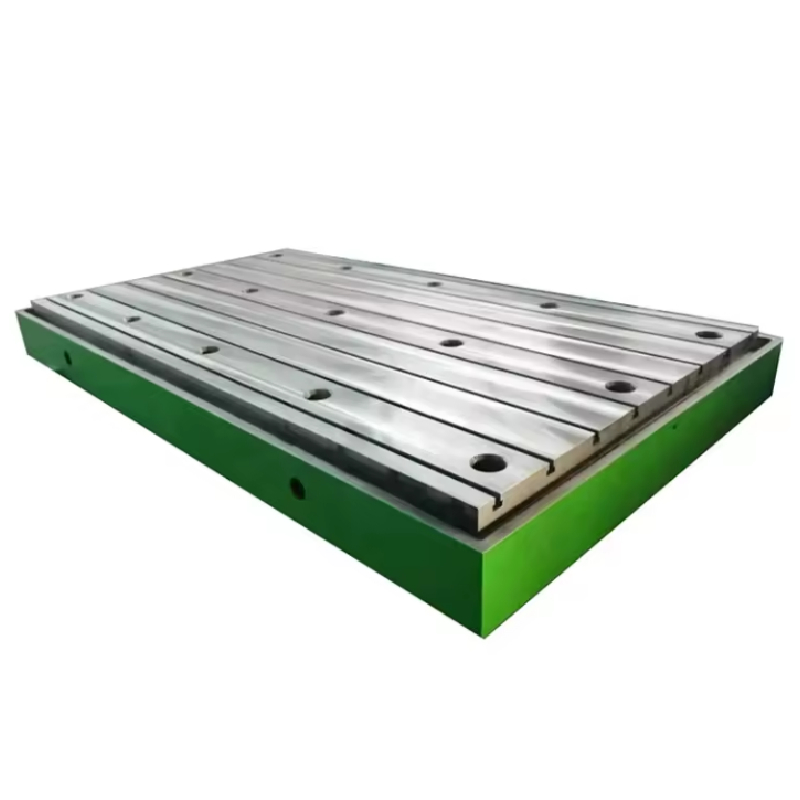
Welding Fabrication Table for Streamlined Metalworking Processes and Efficiency
Understanding Welding Fabrication The Importance of the Welding Fab Table Welding fabrication is a c
Wichtigkeit der Genauigkeit in der modernen Mess- und Regeltechnik
Der Einfluss von Gauge C auf die moderne Technologie In der heutigen digitalen Welt spielen Präzisio
 English